
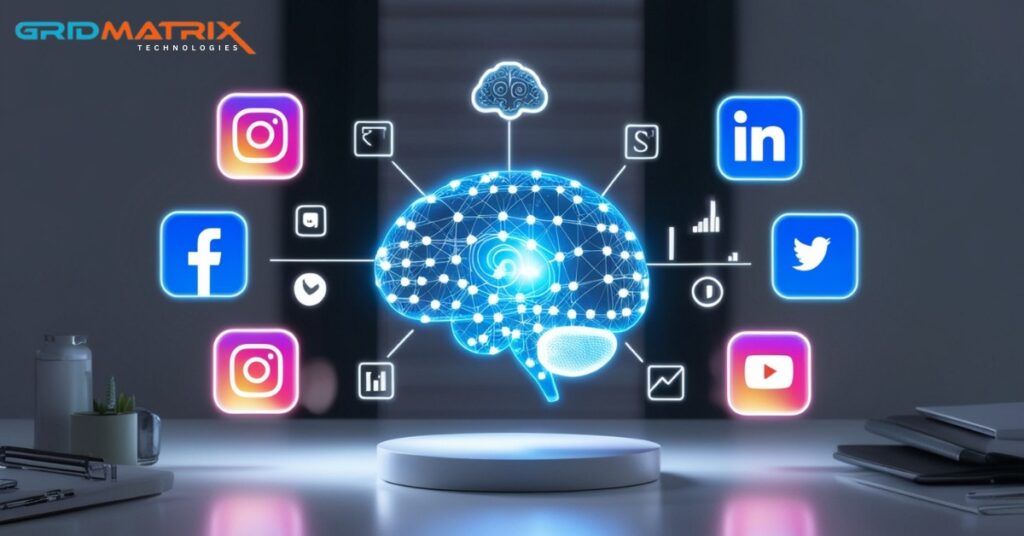
The digital marketing landscape has undergone a seismic shift in 2025, with artificial intelligence emerging as the cornerstone of successful marketing campaigns. As businesses compete for consumer attention in an increasingly crowded digital space, AI-powered marketing strategies have become essential for driving engagement, conversions, and sustainable growth.
The AI Marketing Revolution: Why Traditional Methods Fall Short
Traditional digital marketing approaches are no longer sufficient in today’s hyper-personalized consumer environment. Modern customers expect tailored experiences, instant responses, and relevant content at every touchpoint. AI marketing tools have bridged this gap by enabling marketers to analyze vast amounts of customer data, predict behavior patterns, and deliver personalized experiences at scale.
The integration of machine learning algorithms and predictive analytics has transformed how brands connect with their audiences, making AI-driven marketing not just an advantage but a necessity for competitive success.
1. Hyper-Personalized Content Creation and Curation
AI-powered content marketing has revolutionized how brands create and distribute content. Advanced natural language processing tools can now generate personalized blog posts, social media captions, and email campaigns tailored to individual customer preferences and behaviors.
Dynamic content optimization algorithms analyze user engagement patterns, browsing history, and demographic data to deliver the right message to the right person at the optimal time. This level of personalization has shown to increase click-through rates by up to 300% and conversion rates by 250% compared to generic marketing approaches.
Brands are leveraging AI writing assistants and content generation platforms to produce high-quality, SEO-optimized content at unprecedented speeds while maintaining brand voice consistency across all channels.
2. Predictive Analytics for Customer Journey Optimization
Predictive marketing analytics powered by AI enables marketers to anticipate customer needs before they even express them. Machine learning models analyze historical data, seasonal trends, and behavioral patterns to identify high-value prospects and predict their likelihood to convert.
These predictive insights allow marketing teams to:
● Optimize ad spend allocation across different channels
● Identify the best times to engage specific customer segments
● Predict customer lifetime value and churn probability
● Automate lead scoring and qualification processes
By implementing predictive analytics, businesses can achieve up to 40% higher marketing ROI and reduce customer acquisition costs significantly.
3. AI-Driven Social Media Marketing and Automation
Social media marketing automation has reached new heights with AI-powered tools that can manage entire social media strategies autonomously. These platforms analyze trending topics, optimal posting times, and audience engagement patterns to maximize social media performance.
AI chatbots and virtual assistants have become sophisticated enough to handle complex customer service inquiries, product recommendations, and even complete sales transactions through social media platforms. This 24/7 availability has improved customer satisfaction rates and reduced response times from hours to seconds.
Influencer marketing has also been enhanced through AI algorithms that identify the most relevant micro-influencers and macro-influencers based on audience demographics, engagement rates, and brand alignment metrics.
4. Programmatic Advertising and Smart Bidding
AI-powered programmatic advertising has transformed digital ad buying by automating the entire process of ad placement, audience targeting, and bid optimization. Real-time bidding algorithms analyze millions of data points within milliseconds to determine the optimal bid for each ad impression.
Smart bidding strategies use machine learning to optimize for specific business objectives such as conversions, revenue, or return on ad spend. These automated systems continuously learn from campaign performance data and adjust bidding strategies to maximize results.
The integration of AI in programmatic advertising has led to improved ad relevance, reduced wasted ad spend, and increased overall campaign efficiency by an average of 35%.
5. Voice Search Optimization and Conversational AI
With the growing adoption of voice assistants and smart speakers, optimizing for voice search has become crucial for digital marketing success. AI-powered voice search optimization involves understanding natural language queries and optimizing content for conversational search patterns.
Conversational AI marketing strategies include implementing voice-activated customer service, creating voice-optimized content, and developing skills or actions for popular voice platforms. This approach has opened new channels for customer engagement and brand interaction.
Implementation Best Practices for AI Marketing Success
To successfully implement AI-powered digital marketing strategies, businesses should focus on data quality, cross-channel integration, and continuous optimization. Starting with clear objectives and gradually expanding AI adoption across different marketing functions ensures sustainable growth and measurable results.
Regular performance monitoring, A/B testing of AI-generated content, and staying updated with the latest AI marketing tools are essential for maintaining competitive advantage in the evolving digital landscape.
Conclusion: The Future is AI-Driven
AI-powered digital marketing strategies have proven their effectiveness in 2025 by delivering personalized experiences, improving campaign performance, and driving sustainable business growth. As AI technology continues to advance, marketers who embrace these innovative approaches will be best positioned to succeed in the competitive digital marketplace.
The key to success lies not in replacing human creativity with AI, but in leveraging artificial intelligence to enhance human insights and scale marketing efforts efficiently. By implementing these AI-driven strategies, businesses can achieve unprecedented levels of customer engagement and marketing ROI in 2025 and beyond.